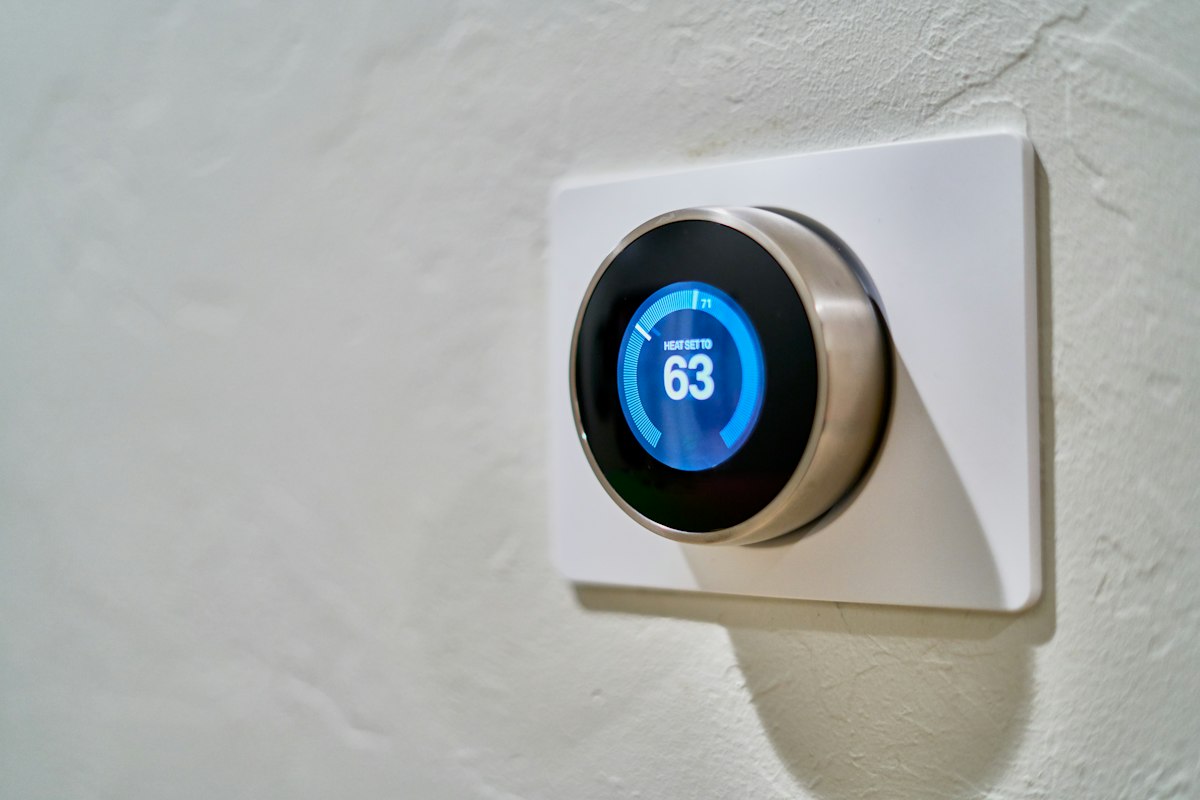
Home's Environment with Automated Climate Control Systems
Imagine arriving home after a long day to a house that's perfectly comfortable, without you ever having to touch a thermostat. Or perhaps you've left for vacation, only to remember halfway there that you forgot to adjust the heating or cooling, wasting energy for days on end. These scenarios are all too common, leading to unnecessary energy bills, discomfort, and a nagging sense of inefficiency.
For years, managing your home's temperature has been a largely manual affair, often requiring constant adjustments or a reliance on simple, rigid timers. But what if your home could anticipate your needs, learn your preferences, and optimize its own climate settings autonomously? The good news is, it can.
Related posts
Modernizing Entry: The Best Smart Lock Systems for Rental Properties
Managing a rental property often feels like a constant battle against logistics, and nothing creates more friction than...
Read more →
Motorized Smart Blinds Installation: A Professional Approach to Window Automation
Upgrading your home with motorized window treatments is no longer just a luxury reserved for high-end custom builds....
Read more →Protecting Your Property with Smart Home Water Leak Detection Systems
Imagine returning from a long weekend to find three inches of standing water in your basement. It is...
Read more →
Best Professionally Installed Home Security Cameras
Choosing how to protect your property often comes down to a choice between convenience and absolute reliability. While...
Read more →Automated home climate control systems represent a significant leap forward in residential comfort and energy management. They move beyond basic programmable thermostats, offering intelligent solutions that adapt to your lifestyle, external weather, and even the unique characteristics of your home.
This article will explore how these smart systems work, what benefits they bring, and the key considerations for integrating them into your living space. We'll help you understand the options available, from basic smart thermostats to comprehensive zoned systems, ensuring you can make an informed decision for enhanced comfort and efficiency.
Key takeaways
- Significant Energy Savings: Automated systems learn usage patterns and optimize heating/cooling, often leading to noticeable reductions in utility bills.
- Enhanced Comfort and Convenience: Enjoy consistent, personalized temperatures throughout your home without constant manual adjustments.
- Remote Control and Monitoring: Manage your climate from anywhere using a smartphone, adding flexibility and peace of mind.
- Smart Integration: Many systems seamlessly connect with other smart home devices, creating a unified and responsive living environment.
The Clear Advantages of Automated Climate Control
The shift from traditional thermostats to automated systems isn't just about adding a fancy gadget; it's about fundamentally improving how you interact with your home's environment. The advantages extend far beyond simple temperature adjustments.
Unlocking Real Energy Efficiency
One of the most compelling reasons homeowners embrace automation is the potential for substantial energy savings. Automated systems don't just follow a schedule; they learn. They can detect when you're home or away, monitor external weather patterns, and even understand how quickly your home heats or cools. This intelligence allows them to run your HVAC system only when necessary, avoiding wasteful operation.
Consider a system that integrates with local weather forecasts. If a sudden cold front is expected, it can preemptively adjust to maintain comfort without overworking your furnace. Or, if you leave for work unexpectedly, it can switch to an economy mode, only returning to your preferred temperature shortly before you're due back.
Superior Comfort and Personalization
Tired of hot spots in one room and cold drafts in another? Automated systems, especially those with zoning capabilities, address this directly. Instead of a single thermostat trying to satisfy an entire house, you can have individual control over different areas. This means the living room can be cozy for movie night while bedrooms remain cooler for sleeping.
Moreover, these systems often include humidity control, air quality monitoring, and even integration with ceiling fans, offering a holistic approach to your indoor environment. Your home truly becomes a tailored sanctuary.
Unmatched Convenience and Control
The ability to manage your home's climate from your smartphone, whether you're on the couch or a continent away, is a game-changer. Forgot to turn down the AC before leaving for a weekend trip? A few taps on your phone solve it. Want to pre-cool the house before you head home from work? Easy.
Many systems also offer voice control integration with popular smart assistants, making adjustments as simple as a spoken command. This level of hands-off management frees up mental space and simplifies daily routines.
Exploring the Core Technologies
Automated climate control isn't a single product but a spectrum of solutions. Understanding the main types helps you identify what fits your needs best.
Smart Thermostats: The Entry Point
These are often the first step into automated climate control for many homeowners. Unlike basic programmable models, smart thermostats connect to your home's Wi-Fi, allowing remote control and often incorporating learning algorithms. Brands like Nest and Ecobee are well-known in this space.
They track your usage patterns, suggest energy-saving adjustments, and can integrate with occupancy sensors to know when you're home. While typically controlling a single HVAC system for the entire house, their intelligence significantly improves efficiency and convenience over older models. Installation can often be a DIY project for those comfortable with basic wiring, or a quick job for an HVAC professional.
Zoned Climate Control Systems: Precision Comfort
For larger homes or those with diverse heating/cooling needs, a zoned system offers a more sophisticated solution. This involves multiple thermostats or sensors strategically placed throughout the house, each controlling a specific zone (e.g., upstairs, downstairs, master bedroom).
Dampers within your ductwork open and close to direct conditioned air only where it's needed. This prevents heating empty rooms or over-cooling areas that are already comfortable. Zoned systems are highly effective for maximizing comfort and minimizing wasted energy, though they represent a more significant investment and typically require professional installation and configuration.
Integrated Home Automation Platforms: The Holistic Approach
For the ultimate in smart living, automated climate control can be part of a broader home automation platform. Systems from companies like Control4, Savant, or even robust DIY platforms like Home Assistant, allow your climate system to communicate with lights, shades, security, and entertainment systems.
Imagine your thermostat telling your smart blinds to close on a sunny afternoon to reduce heat gain, or your security system signaling to your HVAC that you've left the house, prompting it to enter an eco-mode. This level of integration creates truly intelligent and responsive living spaces, though it often comes with higher costs and complexity, usually requiring professional design and installation.
Choosing the Right System for Your Home
Deciding on an automated climate control system involves weighing several factors specific to your situation.
- Your Budget: Smart thermostats start around $150-$300. Zoned systems can range from $2,000 to $5,000+ for installation, depending on your home's existing ductwork and the number of zones. Full home automation platforms can easily run into five figures.
- Home Size and Layout: A single smart thermostat might suffice for a small apartment or open-plan home. Larger or multi-story homes benefit greatly from zoned systems.
- Existing HVAC System: Ensure compatibility. Most modern automated systems work with conventional forced-air systems, but older or less common setups might require specific solutions or upgrades.
- DIY Comfort vs. Professional Installation: Smart thermostats are often DIY-friendly. Zoned systems and integrated platforms almost always require professional expertise for optimal performance and warranty validity.
- Desired Level of Integration: Do you just want smart temperature control, or do you envision a fully interconnected smart home?
Installation and Setup: What to Expect
The installation process varies significantly based on the system you choose.
For a smart thermostat, it often involves turning off power to your HVAC system, removing your old thermostat, connecting a few wires, and then setting up the device on your home Wi-Fi network via an app. Most manufacturers provide clear instructions and online support.
Zoned systems are more complex. They require installing multiple thermostats, motorized dampers in your ductwork, and a central control panel. This is definitely a job for a certified HVAC technician who understands proper sizing, airflow, and electrical connections. Attempting this yourself could lead to inefficient operation or damage to your HVAC system.
Regardless of the system, a crucial final step is calibration. This involves fine-tuning settings to ensure accurate temperature readings and efficient operation. A professional installer will handle this for more complex systems, ensuring your investment performs as expected.
FAQ
How much can I realistically save on my energy bills with an automated system?
Energy savings vary widely based on your climate, home insulation, existing habits, and the specific system. However, many homeowners report savings of 10-20% or more on their heating and cooling costs. The biggest savings come from the system's ability to avoid heating or cooling an empty house and optimizing schedules.
Are automated climate control systems difficult to use?
While the underlying technology is sophisticated, most modern automated systems are designed for user-friendliness. Smartphone apps provide intuitive interfaces for scheduling and adjustments. Learning thermostats simplify things further by automating many settings based on your habits. Initial setup may take a little time, but daily use is typically straightforward.
What happens if my internet connection goes down?
Most smart thermostats and automated systems retain basic functionality even without an internet connection. You can usually still adjust the temperature directly on the device. However, remote control via your smartphone app, learning features, and integration with other smart home devices will be temporarily unavailable until your internet connection is restored.
Can I integrate an automated climate system with my existing smart home devices?
Yes, many automated climate control systems are designed to integrate with popular smart home platforms like Amazon Alexa, Google Assistant, Apple HomeKit, and others. This allows for voice control and the creation of routines or scenes where your climate system works in concert with lighting, security, and entertainment.
Is professional installation always necessary for these systems?
For basic smart thermostats, many homeowners successfully perform DIY installation. However, for zoned systems or integrated whole-home automation platforms, professional installation is strongly recommended. These systems involve more complex wiring, ductwork modifications, and precise calibration, which are best handled by experienced technicians to ensure efficiency, safety, and proper operation.
Conclusion
Automated home climate control systems are no longer a luxury; they're an intelligent investment in comfort, convenience, and energy efficiency. By understanding the different technologies and considering your home's unique needs, you can select a system that transforms your living environment, providing precise control and significant long-term savings. Take the step towards a smarter, more comfortable home today.