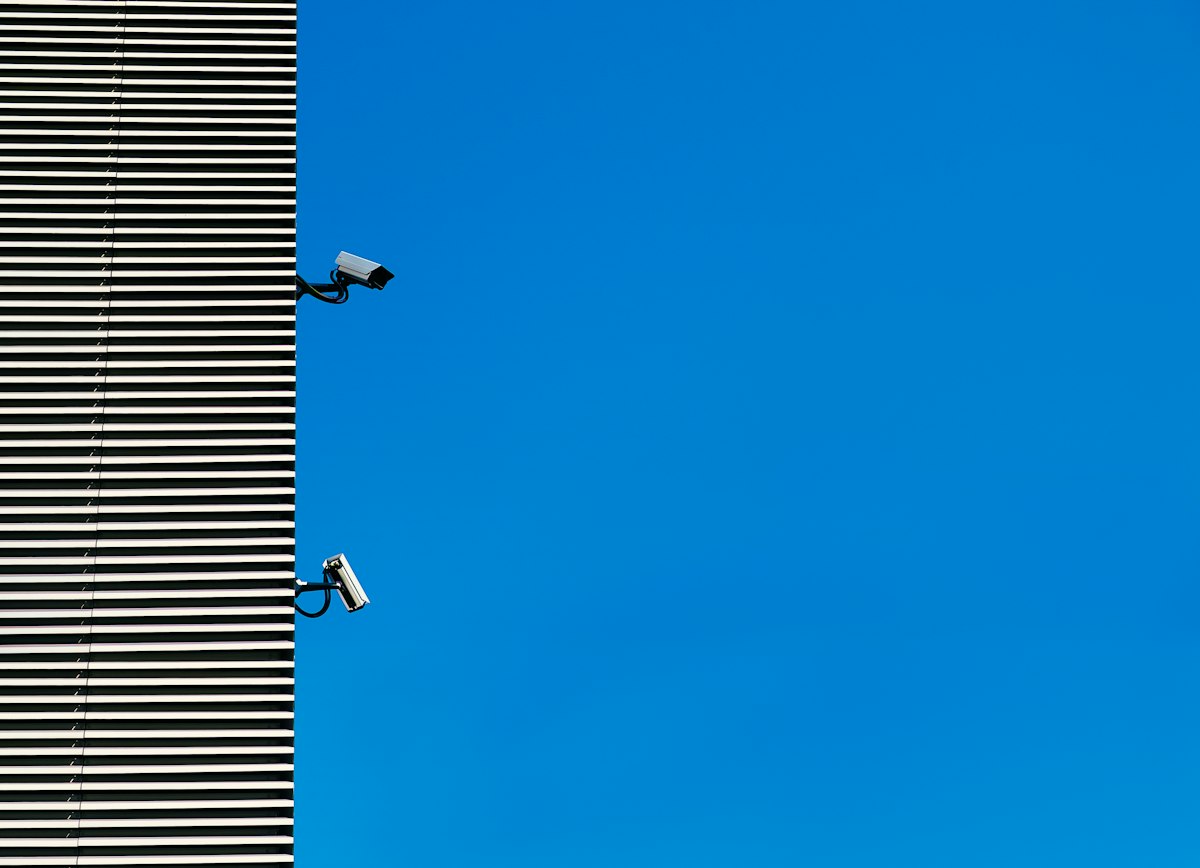
Best Professionally Installed Home Security Cameras
Choosing how to protect your property often comes down to a choice between convenience and absolute reliability. While the market is flooded with plug-and-play gadgets that promise instant security, many homeowners find that these off-the-shelf solutions leave gaps in coverage or fail during critical moments. A security system is only as effective as its weakest link, whether that is a dead battery, a spotty Wi-Fi signal, or a camera pointed three inches too low to catch a face.
Professionally installed home security cameras move beyond the limitations of consumer-grade hardware. These systems are designed to provide a seamless, robust perimeter that operates 24/7 without the constant need for troubleshooting. When an expert handles the setup, the focus shifts from simply having a camera to having a comprehensive surveillance strategy tailored to the specific architecture of your home.
Related posts
Home's Environment with Automated Climate Control Systems
Imagine arriving home after a long day to a house that's perfectly comfortable, without you ever having to...
Read more →Modernizing Entry: The Best Smart Lock Systems for Rental Properties
Managing a rental property often feels like a constant battle against logistics, and nothing creates more friction than...
Read more →
Motorized Smart Blinds Installation: A Professional Approach to Window Automation
Upgrading your home with motorized window treatments is no longer just a luxury reserved for high-end custom builds....
Read more →Protecting Your Property with Smart Home Water Leak Detection Systems
Imagine returning from a long weekend to find three inches of standing water in your basement. It is...
Read more →This discussion explores the tangible benefits of professional integration, from the technical advantages of hardwired infrastructure to the strategic placement that only an experienced eye can provide. We will look at why the investment in professional labor often pays for itself through system longevity and reduced false alarms. If you are serious about property protection, understanding these distinctions is the first step toward a more secure environment.
Key takeaways
- Optimized Coverage: Professionals identify blind spots and high-traffic entry points that DIY users frequently overlook.
- Reliable Connectivity: Hardwired installations eliminate the latency and signal drop-offs common with standard wireless devices.
- System Integration: Expert setups ensure your cameras communicate perfectly with existing alarms, lighting, and smart home hubs.
- Ongoing Support: Professional services typically include warranties and technical assistance that extend far beyond a standard retail return window.
The Technical Superiority of Professional Hardware
Most retail cameras are designed for mass appeal, which often means prioritizing ease of setup over raw performance. In contrast, professionals typically utilize Power over Ethernet (PoE) or dedicated coaxial cabling. This ensures that the video feed is never interrupted by a neighbor's router or a microwave oven. When every frame counts, a stable physical connection is the gold standard for high-definition evidence.
The sensors found in professional-grade equipment are also significantly different. These cameras often feature larger image sensors that perform better in low-light conditions without the grainy noise associated with cheaper models. Instead of relying on a digital zoom that pixelates the image, professional systems might use varifocal lenses that allow for precise optical adjustments during the installation process. This means you can actually read a license plate or identify a face from thirty feet away.
Storage is another area where professional systems shine. Rather than relying solely on expensive cloud subscriptions that can be throttled by slow upload speeds, these systems often use a Network Video Recorder (NVR). This allows for weeks or even months of high-resolution footage to be stored locally. It provides a level of privacy and data ownership that cloud-only brands simply cannot match.
Strategic Placement and Field of View
Where you put a camera is just as important as the camera itself. A common mistake in DIY setups is placing cameras too high, resulting in great shots of the tops of people's heads but no identifiable facial features. Professionals understand the geometry of surveillance. They calculate the Field of View (FOV) to ensure that every entrance is covered with overlapping angles, preventing an intruder from approaching a camera from a blind spot.
Environmental factors also play a massive role in camera performance. Sun glare can blind a lens at 4:00 PM every afternoon if it is not positioned correctly. Rainwater can bead on a lens if it lacks the proper housing or overhang. An experienced installer knows how to account for the sun's path, the reach of your outdoor lighting, and even the growth of your landscaping to ensure the view remains clear year-round.
Furthermore, professionals consider the legal aspects of camera placement. They help you position your equipment so that it monitors your property effectively without infringing on your neighbor's privacy. This prevents potential legal headaches and ensures that your surveillance footage is admissible in court should an incident occur. It is about creating a protective bubble that respects boundaries while maintaining a hard line on security.
The Value of Seamless Integration
A modern security system should not exist in a vacuum. Professionally installed home security cameras are often part of a broader ecosystem. Imagine your outdoor floodlights turning on automatically when a camera detects motion at the edge of your driveway, or your front door locking itself the moment a camera identifies an unknown person on the porch. This level of interoperability is difficult to achieve with mismatched DIY devices.
Expert installers also ensure that the user interface is intuitive. They configure your mobile apps and desktop monitors so that you can view your feeds with a single tap. They set up customized alerts so you aren't bothered by every passing squirrel, but you are immediately notified if a human steps onto your property. This fine-tuning of motion detection zones is a skill that saves homeowners hours of frustration and prevents "notification fatigue."
Comparing Costs: DIY vs. Professional
It is no secret that professional installation comes with a higher upfront price tag. You are paying for the equipment, the labor, and the specialized knowledge of the technician. However, the long-term value proposition is strong. DIY cameras often have a shorter lifespan, frequently requiring replacement every two to three years as batteries degrade or software becomes obsolete. Professional systems are built for commercial-grade durability, often lasting a decade or more with minimal maintenance.
There is also the matter of hidden fees. Many consumer cameras appear cheap but require monthly subscriptions to access basic features like cloud storage or person detection. Professional systems with local NVR storage often eliminate these recurring costs. When you calculate the total cost of ownership over five years, the gap between a high-end professional system and a collection of retail gadgets narrows significantly.
Frequently Asked Questions
Is professional installation worth the extra cost?
For most homeowners, the answer is yes. The cost covers not just the physical mounting of cameras, but the strategic planning, secure wiring, and system calibration. This results in a more reliable system with fewer false alarms and higher-quality footage that can actually be used by law enforcement if necessary.
Do these cameras require a monthly subscription?
While many companies offer optional professional monitoring services for a monthly fee, many professional-grade systems are designed to work perfectly without one. By using a local NVR (Network Video Recorder), you can store and access your footage without paying for cloud storage, giving you full ownership of your data.
How long does the installation process typically take?
A standard residential installation usually takes between four to eight hours, depending on the number of cameras and the complexity of the wiring. More extensive properties or systems requiring significant structural cable routing may take two days. The technician will handle everything from drilling to software configuration during this window.
Can a professional system be expanded later?
Yes, professional systems are highly scalable. Because they often use standardized PoE switches and NVRs with multiple channels, adding a new camera to the garage or backyard later is a straightforward process. This allows you to build your security perimeter over time as your budget or needs change.
What happens to the cameras during a power outage?
Professional installers often recommend and install a Uninterruptible Power Supply (UPS) for the NVR and cameras. This ensures that even if the main power is cut, the system continues to record for a period of time. This is a significant advantage over many DIY Wi-Fi cameras that go dark the moment the router loses power.
Conclusion
Investing in professionally installed home security cameras is about more than just buying hardware; it is about securing your peace of mind. By moving away from the limitations of DIY setups, you gain access to superior image quality, unbreakable connectivity, and the strategic expertise of an industry veteran. These systems provide a level of consistency that consumer gadgets simply cannot match, ensuring that when you need to see what happened, the footage is there, clear and ready. While the initial setup requires a greater commitment, the long-term reliability and enhanced protection make it the definitive choice for any serious property owner.