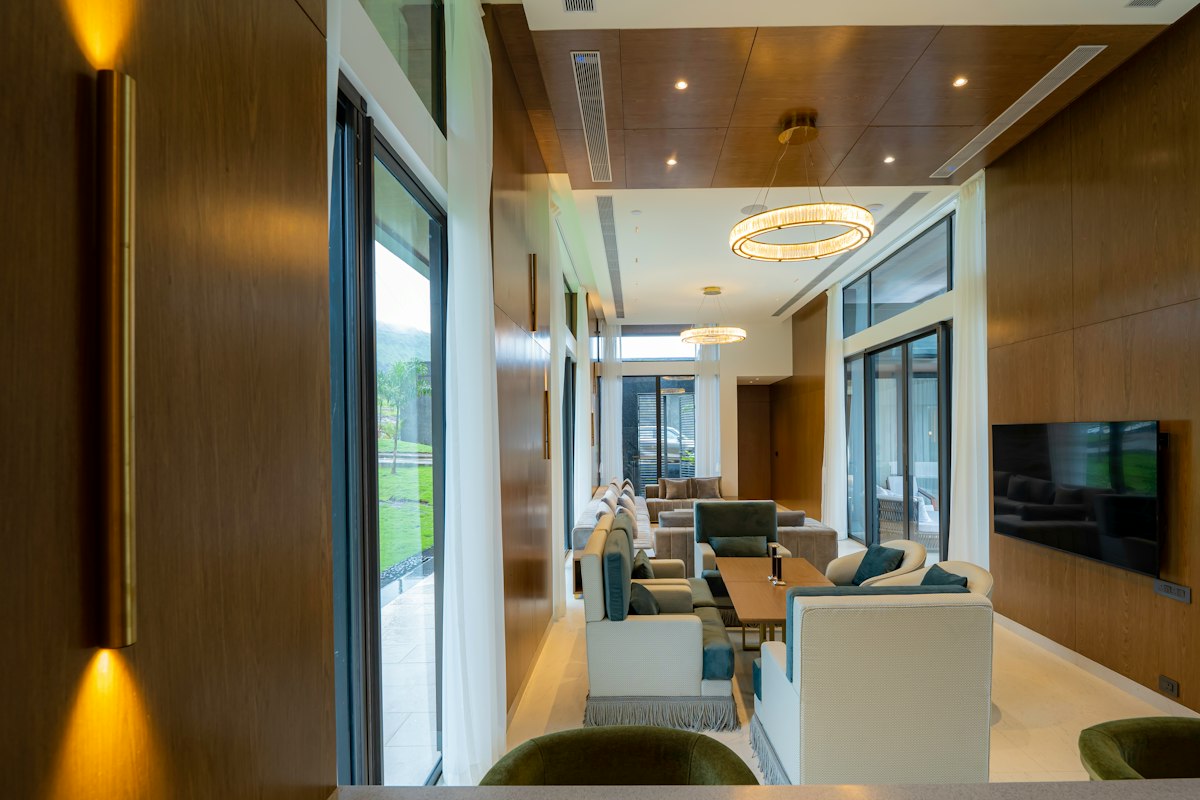
Automated Lighting System Installation Cost: A Realistic Budgeting Breakdown
Upgrading your home with an automated lighting system is no longer a luxury reserved for high-end mansions. However, the gap between a basic DIY setup and a fully integrated professional system is wide. Understanding the actual automated lighting system installation cost requires looking past the price of a single smart bulb and analyzing the infrastructure, labor, and hardware compatibility that makes these systems function seamlessly.
Most homeowners begin this journey because they want convenience, improved security, or energy efficiency. Yet, the initial quote for a professional installation can often come as a surprise. This is because smart lighting is not just a product; it is an ecosystem. Whether you are retrofitting an existing property or planning a new build, the path you choose will dictate whether you spend a few hundred dollars or tens of thousands.
Related posts
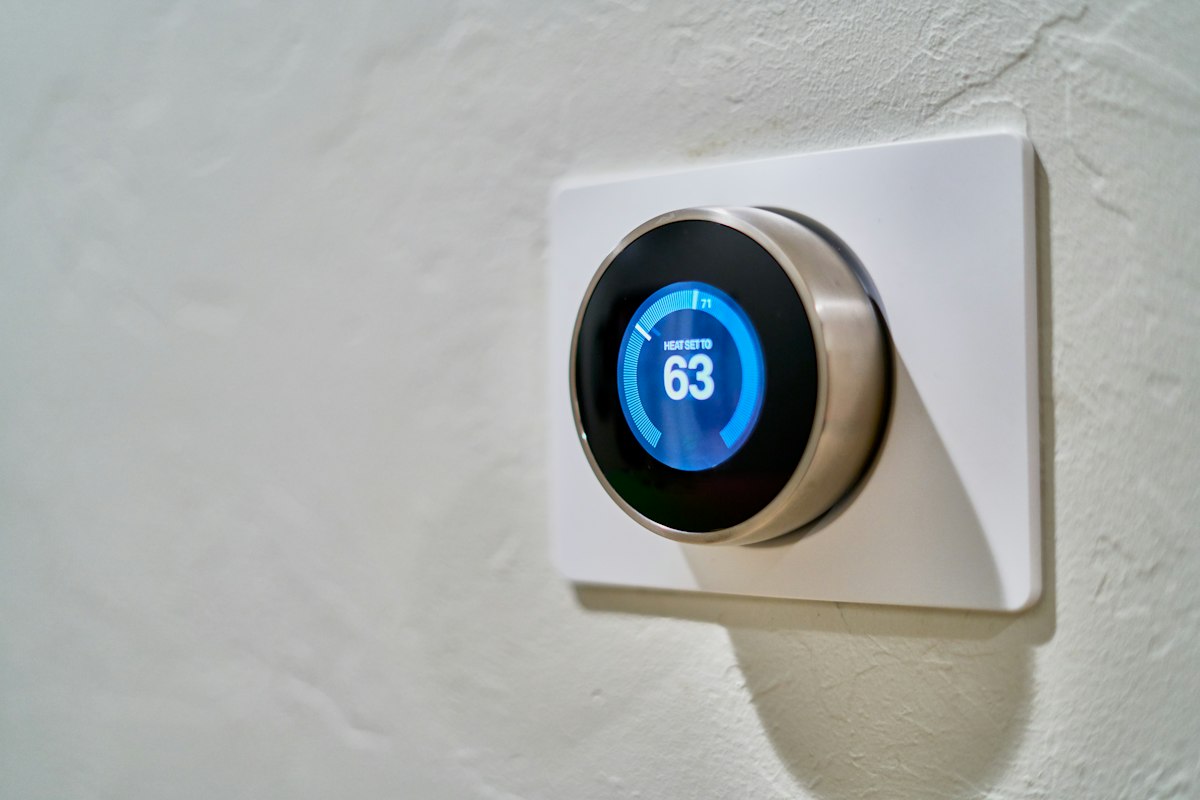
Home's Environment with Automated Climate Control Systems
Imagine arriving home after a long day to a house that's perfectly comfortable, without you ever having to...
Read more →Modernizing Entry: The Best Smart Lock Systems for Rental Properties
Managing a rental property often feels like a constant battle against logistics, and nothing creates more friction than...
Read more →
Motorized Smart Blinds Installation: A Professional Approach to Window Automation
Upgrading your home with motorized window treatments is no longer just a luxury reserved for high-end custom builds....
Read more →Protecting Your Property with Smart Home Water Leak Detection Systems
Imagine returning from a long weekend to find three inches of standing water in your basement. It is...
Read more →This analysis breaks down the variables that drive the total price of admission. We will examine hardware tiers, the impact of labor rates, and the long-term financial implications of choosing wireless versus hardwired solutions. By the end, you will have a clear picture of what a realistic budget looks like for your specific property and lifestyle needs.
Before you start purchasing dimmers or calling electricians, you need to understand the fundamental components of these systems. The following sections provide the granular detail necessary to make an informed investment without overspending on features you might never use.
Key takeaways
- DIY vs. Professional: Basic wireless systems start around $200 for a single room, while professional whole-home systems typically begin at $5,000.
- Hardware Selection: Smart switches and dimmers are generally more cost-effective for whole-home use than individual smart bulbs.
- Labor Costs: Professional electrical labor typically ranges from $75 to $150 per hour, depending on your region and the complexity of the wiring.
- Infrastructure: Hardwired systems offer the highest reliability but involve significant labor costs for retrofitting, whereas wireless systems are easier on the wallet during installation.
The Primary Drivers of Installation Expenses
The total price tag for your lighting project is influenced by three main factors: the size of the home, the level of integration, and the choice of hardware. A small apartment using plug-and-play bulbs will have a negligible installation cost. Conversely, a 4,000-square-foot home requiring a centralized control panel and specialized dimming modules involves a complex logistical operation.
Hardware Tiers and Brand Influence
Hardware accounts for the largest portion of your budget. Entry-level brands like Philips Hue or TP-Link offer affordable entry points, with individual bulbs costing between $15 and $50. However, for a cohesive system, smart switches are the preferred choice. Brands like Lutron Caseta or Leviton offer switches ranging from $40 to $70 each. When you scale this to a 20-switch home, you are looking at $800 to $1,400 just for the devices.
Luxury tiers, such as Lutron Homeworks or Ketra, involve much higher hardware costs. These systems often require proprietary hubs and high-fidelity fixtures that can cost hundreds of dollars per unit. The advantage here is not just the light itself, but the precision of the dimming and the ability to mimic natural sunlight throughout the day.
Labor and Professional Fees
Unless you are comfortable working with high-voltage electricity, a licensed electrician is a mandatory expense. For a standard smart switch replacement, an electrician might charge a flat fee for the first hour and a lower rate for subsequent hours. If your home has older wiring that lacks a neutral wire, the labor cost will spike, as the electrician may need to pull new cables or install specific non-neutral dimmers which are more expensive.
Wireless vs. Hardwired Systems
Choosing between a wireless and a hardwired system is the most significant decision you will make regarding your budget. Wireless systems, such as those using Zigbee, Z-Wave, or Clear Connect, are ideal for retrofitting. They use your existing electrical boxes and communicate over the air. This keeps labor costs low because no new holes need to be cut in your walls.
Hardwired (or centralized) systems are the gold standard for reliability and aesthetic minimalism. In these setups, all lighting loads are wired back to a central panel, usually hidden in a mechanical room. This removes the need for banks of switches on every wall, replacing them with elegant, low-voltage keypads. While the hardware is sleek, the labor for a hardwired system in an existing home can be astronomical due to the extensive rewiring required. For new construction, the price is more manageable but still carries a premium over wireless options.
Estimating Costs by Project Scale
To give you a better idea of the financial commitment, let's look at three common scenarios. These figures include both hardware and estimated professional labor for a standard installation.
The Single-Room Upgrade
If you are looking to automate a living room or a kitchen, you can expect to pay between $300 and $800. This typically covers a few smart dimmers, a central bridge or hub, and the labor for an electrician to swap out the existing switches. This is a low-risk way to test the technology before committing to the whole house.
The Mid-Range Whole-Home System
For a standard three-bedroom home using a reliable wireless platform like Lutron Caseta, the budget usually falls between $3,000 and $7,000. This includes roughly 20 to 30 switches, a few motion sensors for bathrooms or hallways, and professional programming to ensure all scenes and schedules work correctly. This level of investment significantly improves daily convenience and can even assist with home security by simulating occupancy while you are away.
The Luxury Integrated Experience
High-end systems integrated with whole-home automation (like Control4, Crestron, or Savant) start at $15,000 and can easily exceed $50,000 for large estates. These systems offer unparalleled customization, allowing your lights to react to your alarm clock, the position of the sun, or even the music playing in the room. The cost reflects the premium hardware, the extensive design phase, and the ongoing support from a certified integrator.
Hidden Costs to Consider
Beyond the obvious hardware and labor, there are secondary expenses that can impact your bottom line. One of the most overlooked is the network infrastructure. Smart lighting systems rely on a robust network. If your current Wi-Fi router is struggling to cover your home, adding 50 smart devices will likely crash it. Budgeting an extra $300 to $1,000 for a mesh Wi-Fi system or a professional-grade network switch is often necessary for system stability.
Another factor is dimmer compatibility. Not all LED bulbs are compatible with all smart dimmers. If your current bulbs flicker when dimmed by a smart switch, you may need to replace every bulb in your home with high-quality, dimmable LEDs. At $5 to $10 per bulb, this can add several hundred dollars to a whole-home project.
FAQ
Does an automated lighting system increase home value?
Yes, modern smart home features are increasingly sought after by buyers. While you may not see a dollar-for-dollar return on the installation cost, a professionally installed, reliable system can make your home more competitive on the market and often leads to a faster sale. It is perceived as a premium upgrade similar to high-end appliances.
Can I install a smart lighting system myself to save money?
You can certainly handle a wireless DIY system like Philips Hue or basic smart plugs. However, replacing wall switches involves handling 120V wiring, which carries a risk of fire or electrocution if done incorrectly. For anything involving your home's permanent electrical infrastructure, hiring a professional is the safest and most reliable route.
How much does it cost to automate a single room?
Automating a single room usually costs between $300 and $800. This range covers the purchase of 3-4 smart switches or a set of high-quality smart bulbs, a hub, and roughly two hours of an electrician's time for installation and setup.
Are there ongoing monthly fees for lighting automation?
Most local control systems do not require a monthly subscription. You buy the hardware, and the app is free to use. However, some advanced security-integrated systems or cloud-based platforms may offer premium features (like remote access or advanced logging) for a small monthly fee, though this is becoming less common in the lighting niche.
How much can I save on energy bills with automation?
Energy savings typically range from 10% to 30% on your lighting bill. Savings come from three areas: dimming (using less power), scheduling (ensuring lights are off when not needed), and occupancy sensing (automatically turning off lights in empty rooms). While the savings are real, the primary motivation for most users remains convenience rather than immediate financial payback.
Conclusion
Calculating the automated lighting system installation cost is a balance of hardware quality, labor requirements, and the scale of your vision. While a few hundred dollars can get you started with a functional wireless setup, a comprehensive and reliable whole-home system requires a more significant investment. By focusing on smart switches over bulbs and ensuring your network can handle the load, you can build a system that adds both value and comfort to your home. Start with a clear plan, prioritize the rooms you use most, and always consult a professional for any high-voltage electrical work to ensure your smart home remains safe and efficient.