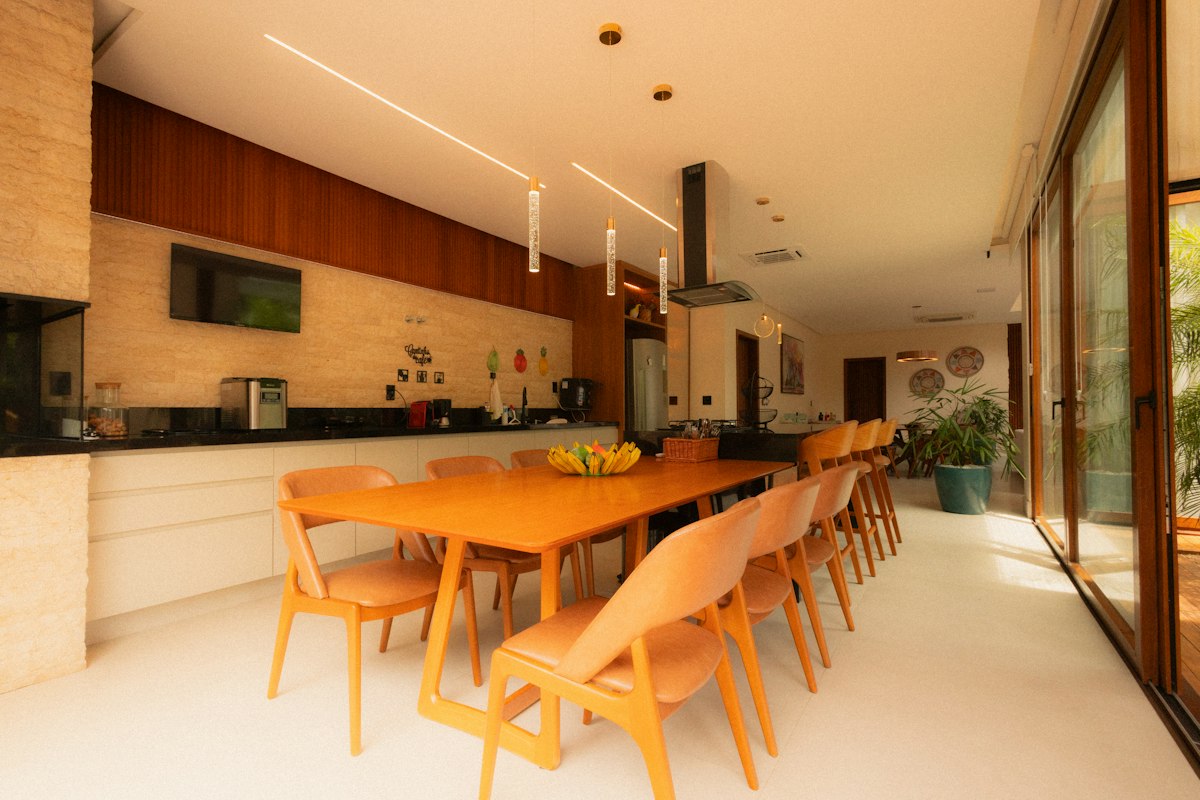
Smart Home Improvements: Maximizing Property Value and Daily Comfort
Deciding to invest in your living space is a significant move that balances financial strategy with personal comfort. Most homeowners eventually reach a point where their current layout or aesthetic no longer serves their daily needs or long-term goals. Whether you are preparing to sell or simply want to enjoy a more functional environment, the right upgrades can transform a house into a high-performing asset.
The process often starts with a single observation: a drafty window, an outdated kitchen, or a basement that sits empty. These observations quickly turn into a list of potential projects, but knowing which ones to prioritize is where many people get stuck. It is not just about what looks good in a magazine; it is about what adds tangible value to your specific property and improves your quality of life.
Related posts

Designing Your Dream Space: The Realities of a Custom Kitchen Remodel
Most homeowners spend more time in their kitchen than any other room in the house, yet many struggle...
Read more →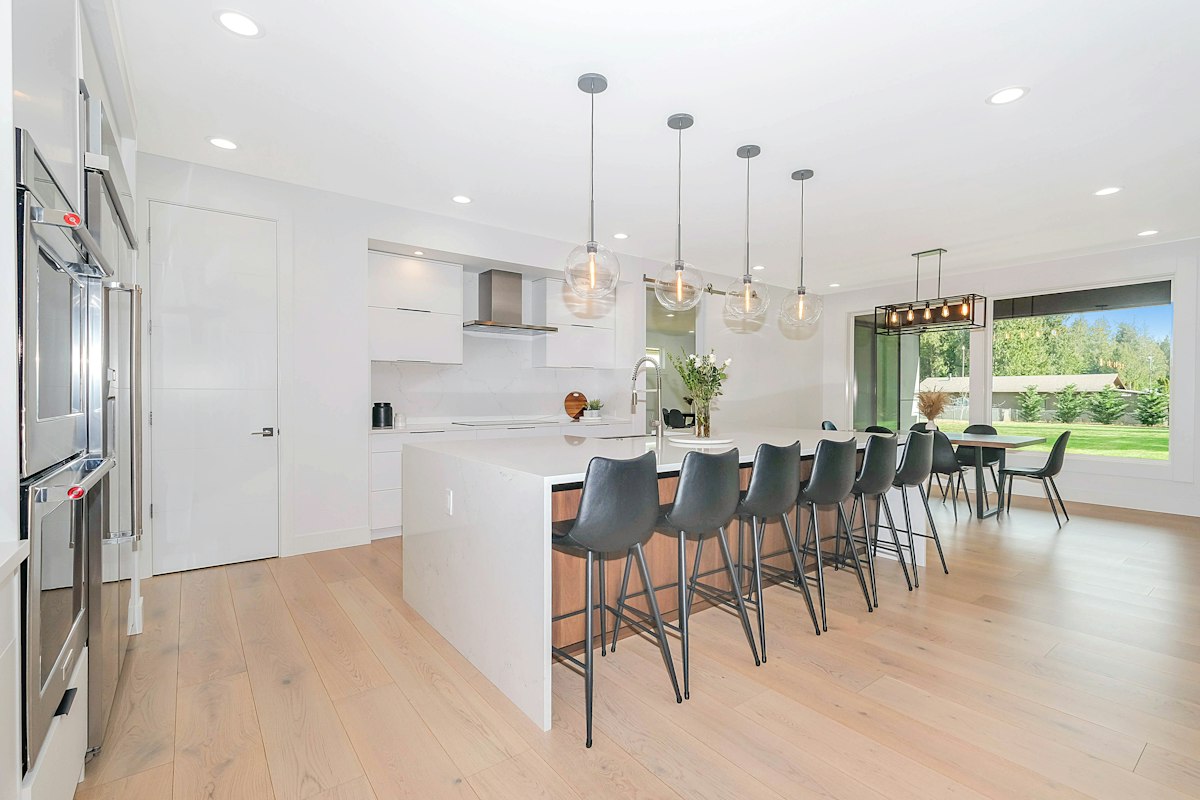
The Brothers Renovation Model: Building Trust and Quality in Home Remodeling
Deciding to renovate your home is a significant commitment that often starts with a mix of excitement and...
Read more →
Rebuilding the Dream: A Comprehensive Look at House Reconstruction
Standing before a property that has seen better days often sparks a difficult internal debate. You might appreciate...
Read more →
Hiring a Professional Contractor for Kitchen Remodel Projects: A Strategic Approach
Most homeowners start their kitchen renovation journey with a mix of excitement and a heavy dose of anxiety....
Read more →In the following sections, we will explore the most effective ways to approach these changes. We will look at high-impact renovations, the importance of structural integrity over surface-level fixes, and how to manage your budget without cutting corners that lead to future headaches. Our focus is on practical, actionable advice for anyone looking to make informed decisions about their property.
By the time you finish reading, you will have a clearer understanding of how to sequence your projects and what to look for when hiring professionals. Home ownership is a long-term commitment, and your approach to maintenance and upgrades should reflect that reality. Let’s look at the strategies that separate successful renovations from expensive mistakes.
Key takeaways
- Focus on high-ROI areas like kitchens and bathrooms to ensure the best return on your investment.
- Prioritize structural and efficiency upgrades, such as insulation and windows, before moving to cosmetic changes.
- Always maintain a 10% to 20% contingency fund to cover unexpected repairs discovered during the construction phase.
- Vetting your contractors through thorough background checks and portfolio reviews is the most effective way to prevent project delays.
Identifying High-Impact Projects
Not all renovations are created equal. If you spend $50,000 on a high-end home theater, you might enjoy it, but a future buyer might see it as a wasted room. Conversely, a custom kitchen remode often yields one of the highest returns on investment in the residential market. The kitchen is the heart of the home, and modernizing this space with energy-efficient appliances, durable quartz countertops, and functional cabinetry can significantly boost market appeal.
The Power of Curb Appeal
First impressions happen before a guest even steps through the front door. Improving your home's exterior is often more affordable than interior overhauls but carries immense weight. Consider a fresh coat of paint on the front door, updated landscaping, or replacing an old garage door. These changes signal to the world—and potential appraisers—that the property is well-maintained and cared for.
Bathroom Modernization
Bathrooms are the second most important area for value retention. You do not always need a full tear-down to see results. Replacing old fixtures, regrouting tile, and installing better lighting can make a space feel brand new. If you have the budget, adding a walk-in shower with floor-to-ceiling tile is a major selling point that appeals to a wide demographic, including those looking for accessibility features.
Efficiency and Structural Integrity
It is easy to get distracted by paint colors and flooring samples, but the bones of the house matter more. If your roof is leaking or your HVAC system is twenty years old, no amount of granite countertops will save your property value. Addressing these foundational issues is the smartest first step in any long-term plan for home improvements.
Energy Efficiency Upgrades
Utility costs are a permanent part of homeownership. By upgrading to double-pane windows or increasing attic insulation, you reduce the strain on your heating and cooling systems. These upgrades often pay for themselves over time through lower monthly bills. Furthermore, many buyers now look for "green" features as a standard requirement rather than a luxury add-on.
Smart Home Integration
Integrating technology into your infrastructure is no longer a futuristic concept. Smart thermostats, security cameras, and automated lighting systems are relatively inexpensive to install but add a layer of modern convenience. These systems offer peace of mind and can even lead to lower insurance premiums in some jurisdictions.
The Renovation Process and Professional Help
Once you have decided on a project, the next hurdle is execution. Many homeowners fall into the trap of thinking they can DIY complex tasks to save money. While painting a bedroom is a great weekend project, plumbing and electrical work should almost always be left to the experts. Mistakes in these areas are not just expensive; they are safety hazards.
Choosing the Right Contractor
When searching for a team, look for established names like brothers renovation or similar local experts who have a documented history of success. A good contractor provides more than just labor; they offer project management, permit handling, and access to reliable subcontractors. Always ask for references and verify their insurance coverage before signing any contracts. Are they willing to provide a detailed line-item estimate? If not, that is a red flag you shouldn't ignore.
Managing the Timeline
Renovations rarely go perfectly according to plan. Supply chain issues, weather delays, or the discovery of old wiring can push back your completion date. The key is to maintain open communication with your team. A weekly check-in can prevent small misunderstandings from turning into major disputes. Remember, a project that takes two weeks longer but is done correctly is always better than a rushed job that requires repairs a year later.
Budgeting and Financial Planning
How much should you actually spend? A common rule of thumb is that a single room renovation should not cost more than the percentage that room contributes to the overall value of the house. For example, a kitchen usually accounts for about 10% to 15% of the total property value. If your home is worth $400,000, spending $100,000 on a kitchen might be over-improving for your neighborhood.
Hidden costs are the silent killers of renovation budgets. When you rip out a wall, you might find mold, asbestos, or structural rot. This is why a contingency fund is mandatory. Without it, you might find yourself with a half-finished project and an empty bank account. Be realistic about what you can afford, and prioritize projects that fix existing problems before starting purely aesthetic ones.
Frequently Asked Questions
Do I need a permit for all home improvements?
Not all, but most structural, electrical, and plumbing changes require a permit from your local municipality. Cosmetic updates like painting, flooring, or replacing a faucet usually do not. It is always best to check with your local building department first, as unpermitted work can cause major issues when you try to sell the house later.
Which project offers the highest return on investment?
Generally, minor kitchen remodels and siding replacements offer the best ROI. Adding a wooden deck or replacing an old garage door also consistently rank high. These projects improve the functionality and appearance of the home without the massive overhead of a full structural addition.
How do I know if I am over-improving for my area?
Look at the "comparables" in your neighborhood. If most houses have laminate countertops and you are installing imported Italian marble, you are likely over-improving. You want your home to be one of the nicer ones on the block, but if it is significantly more expensive than everything else nearby, you will struggle to recoup your investment.
Is it better to hire a general contractor or individual specialists?
For large projects involving multiple trades, a general contractor is worth the cost. They coordinate the timing between the plumber, the electrician, and the dry-waller, ensuring the project flows logically. For small, specific tasks like just replacing a water heater, hiring a specialist directly is more efficient.
How long should a typical kitchen renovation take?
A standard remodel usually takes between six to twelve weeks, depending on the scope. This does not include the planning and design phase, which can take another month. Custom cabinetry often has long lead times, so it is important to have all materials ordered and delivered before the demolition begins.
Conclusion
Executing successful home improvements requires a blend of patience, planning, and professional insight. By focusing on high-ROI projects and ensuring your home's structural health is prioritized, you create a space that is both a comfortable sanctuary and a smart financial investment. Avoid the temptation to rush into trendy aesthetics without a solid foundation. Instead, take the time to vet your contractors, set a realistic budget, and approach each change with a long-term perspective. Your home is likely your largest asset; treat it with the care and strategic planning it deserves.